Loading... Today

-- 0

-- 0
The Print Times
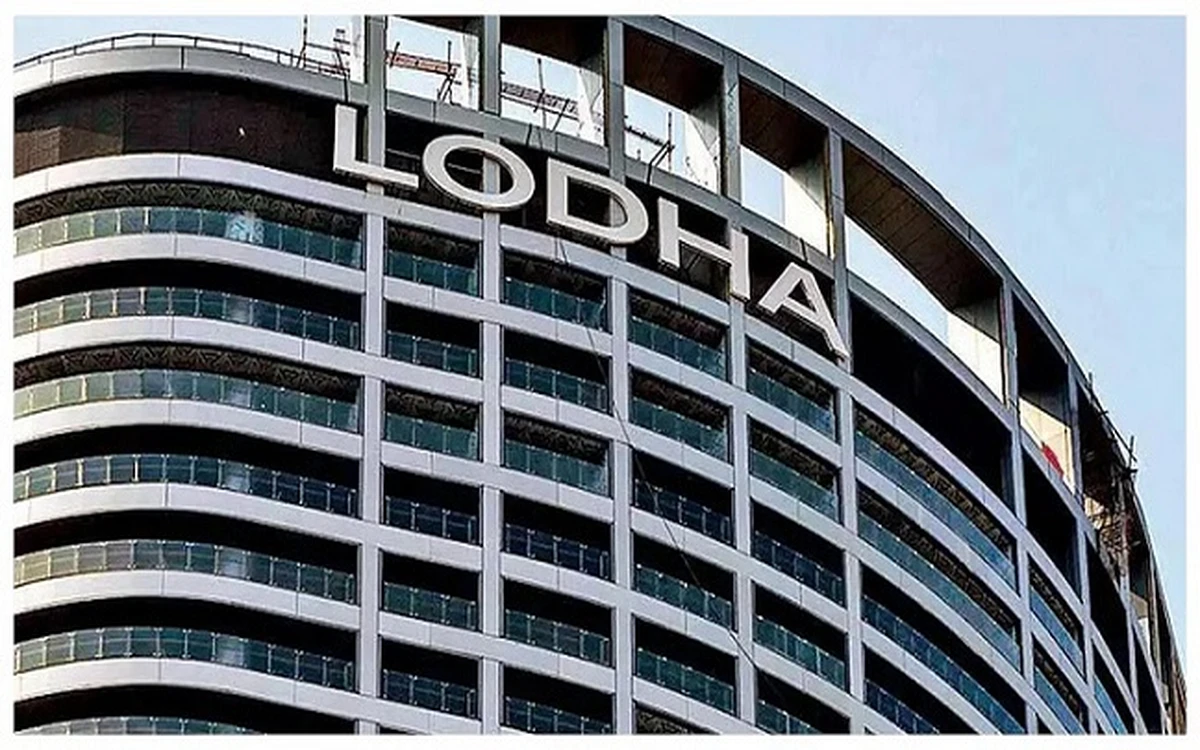
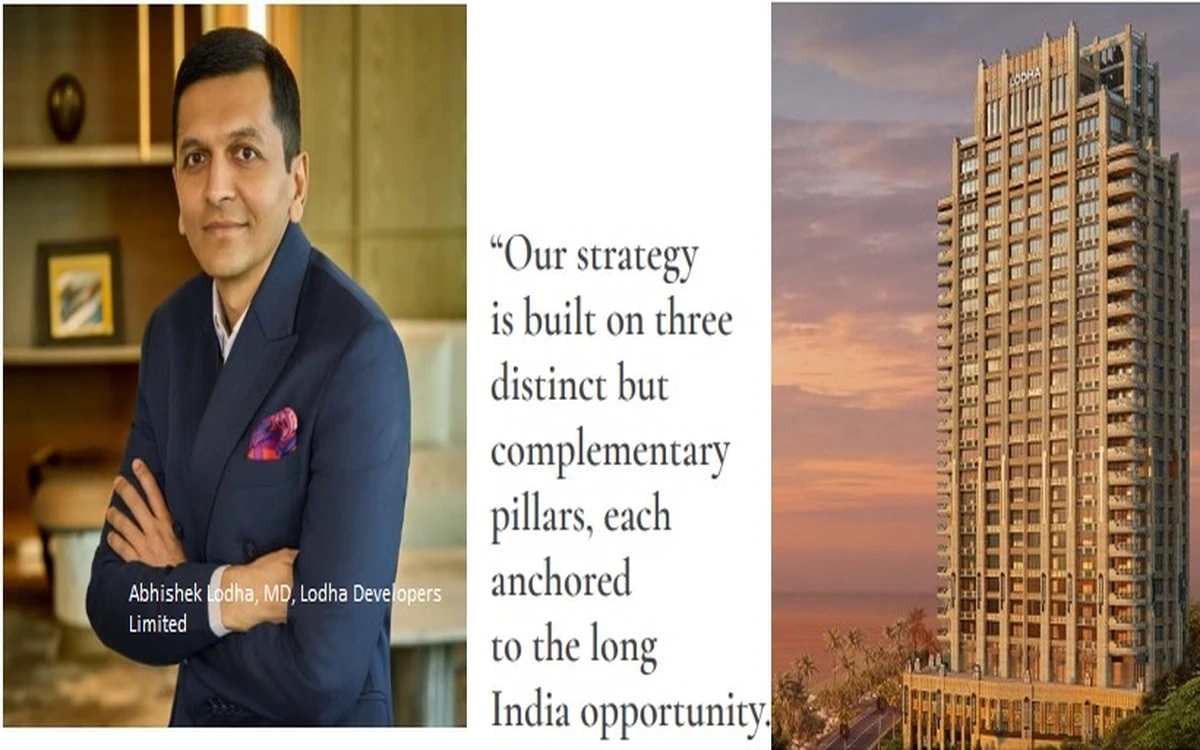
Mumbai: Lodha Developers Limited is positioning itself for its next phase of growth through continued expansion of its residential business, development of a data centre platform and the formalisation of a new LandCo vertical, according to Abhishek Lodha, Managing Director, Lodha Developers Limited, in the company’s Annual Report for FY2025–26.
Reflecting on the company’s journey since its stock market listing five years ago, Lodha said the company’s focus remains on building greater trust among Indian families, expanding into more Indian cities, developing homes designed to last and delivering on its commitments.
Strong FY26 performance
During FY26, Lodha Developers recorded pre-sales of INR 205 billion, an increase of 16%, while revenue grew 21% to INR 167 billion. Net profit increased 24% to INR 34.3 billion, with a PAT margin of 20%. Return on equity was close to 16%, while collections stood at INR 152 billion and operating cash flow exceeded INR 71 billion.
The company sold 6,500 homes and handed over 6,373 homes during the year. It also added 12 new projects with a combined gross development value (GDV) of INR 600 billion, equivalent to 2.4 times its annual guidance.
Lodha also entered the NCR market through two capital-light joint development agreements and paid a dividend of INR 4.2 billion, while maintaining net debt-to-equity at 0.23x.
Over the five years since FY21, pre-sales have grown from INR 60 billion to INR 205 billion, representing a 28% CAGR. During the same period, net debt-to-equity declined from 3.5x to 0.23x, while profit after tax increased more than six times.
The company said it has pursued growth and deleveraging simultaneously, reflecting its focus on the quality of growth rather than growth at any cost.
Residential demand remains a key growth driver
Lodha said the company currently accounts for approximately 3.5% of primary housing sales across India’s top six cities, leaving significant headroom for future expansion.
The company has approximately INR 2,000 billion of unsold GDV across planned, under-construction and ready inventory, providing visibility for future growth without significant new business development investment.
Bengaluru has progressed from a pilot market into a growth phase across four locations, with two additional locations expected to commence shortly. The company has also started its NCR expansion through two capital-light joint development agreements.
According to Lodha, the company intends to follow a disciplined approach to entering new cities, focusing on establishing quality before scaling operations.
India’s structural real estate opportunity
Lodha highlighted the long-term potential of India’s real estate sector, noting that real estate currently contributes around 7–8% of India’s GDP, compared with a mid-teens contribution in economies that have already undergone a similar income transition.
The company expects the sector to become several times its current size over the coming decade, driven by structural rather than cyclical demand.
Lodha also pointed to rising white-collar incomes, increasing decision-making activity by global companies in India and continued growth in Grade A office absorption as factors supporting the broader economic and real estate environment.
Data centre platform emerges as a major new opportunity
Under its RentCo strategy, Lodha Developers is building a portfolio comprising industrial parks, high-street retail, select office assets and a powered-shell data centre platform.
Recurring income from these assets was approximately INR 3 billion in FY26, with the company expecting this income stream to increase roughly tenfold over the next six years, substantially funded through internal accruals.
A key component of this strategy is the proposed Data Centre Park at Palava. The company has earmarked 400 acres for the development, with 3 GW of approved power capacity under Maharashtra’s Green Integrated Data Centre Park Policy.
Two global anchor operators are already present at the site, while Lodha plans to develop built-to-suit powered-shell capacity for large global data centre players on long-term leases.
LandCo to unlock value from large land bank
Lodha Developers is also formalising LandCo as a separate strategic pillar. Over two decades, the company has assembled more than 5,000 acres of land at Palava and Upper Thane, which it describes as the largest major-metro land holding of any developer in India.
The company expects infrastructure development in the region to support the long-term value of this land bank. Key developments include the Mulund–Airoli–Palava freeway, the Navi Mumbai International Airport and the proposed bullet-train connectivity.
LandCo will actively manage surplus land beyond the requirements of DevCo’s five-year pipeline and the land earmarked for RentCo. The company plans to use the platform to support its development businesses while also unlocking value from surplus land through measured, non-competing third-party uses.
Lodha said the company’s current financial projections do not assume any cash flow from LandCo, describing the platform as embedded optionality as the surrounding geography undergoes further development.
Three-pillar strategy for the next decade
Lodha Developers’ growth strategy is now structured around DevCo, RentCo and LandCo. DevCo will remain focused on residential development and expansion into new markets; RentCo will build recurring income through commercial, industrial and data centre assets; while LandCo will focus on actively managing and unlocking value from the company’s substantial land holdings.
The company expects DevCo to become effectively debt-free over the next two to three years, while continuing to invest selectively in opportunities that meet its targeted return threshold.
Lodha said the platform built over the past five years places the company at the beginning of what it considers to be its most consequential decade, with residential demand, new projects, data centre development and the strategic use of its land bank expected to shape the next phase of growth.

last week
Total Views : 37
last week
Total Views : 37
last week
Total Views : 35
last week
Total Views : 28
last week
Total Views : 40
last week
Total Views : 38