Loading... Today

-- 0

-- 0
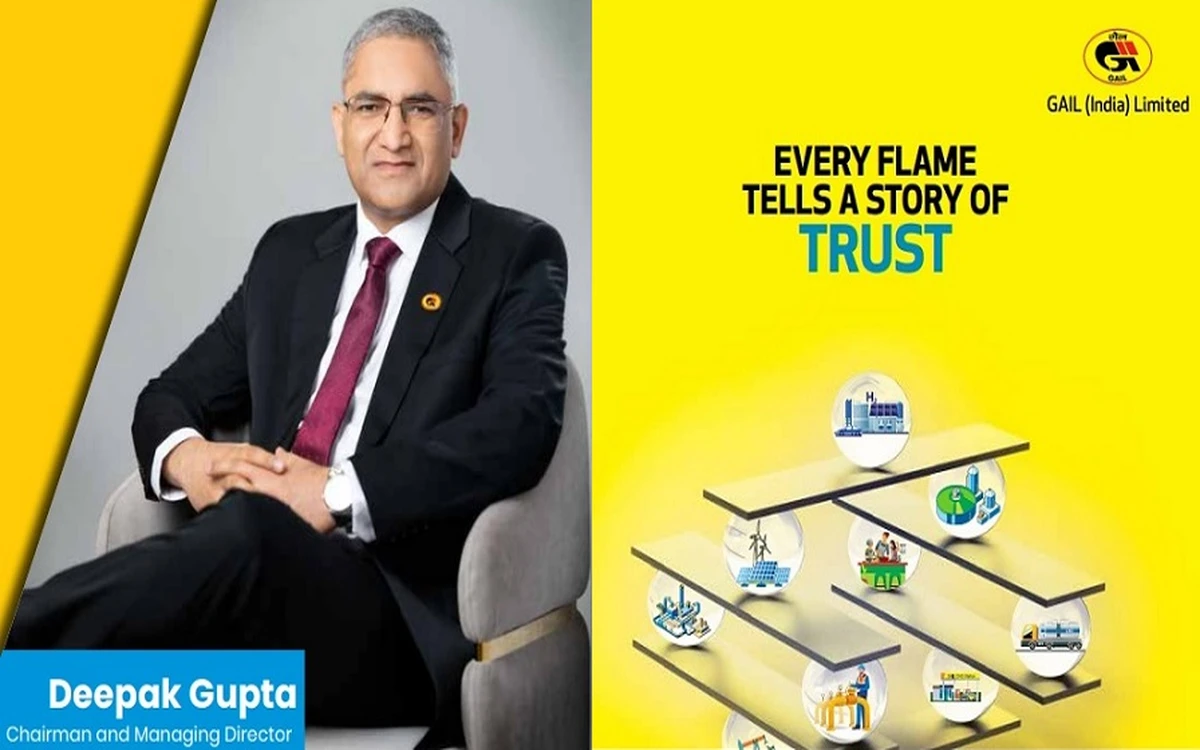
The below Speech is given by Mr. Deepak Gupta, CMD, GAIL India in the annual report for FY 25-26
The Print Times
A Year that Reinforced the Importance of Energy Security
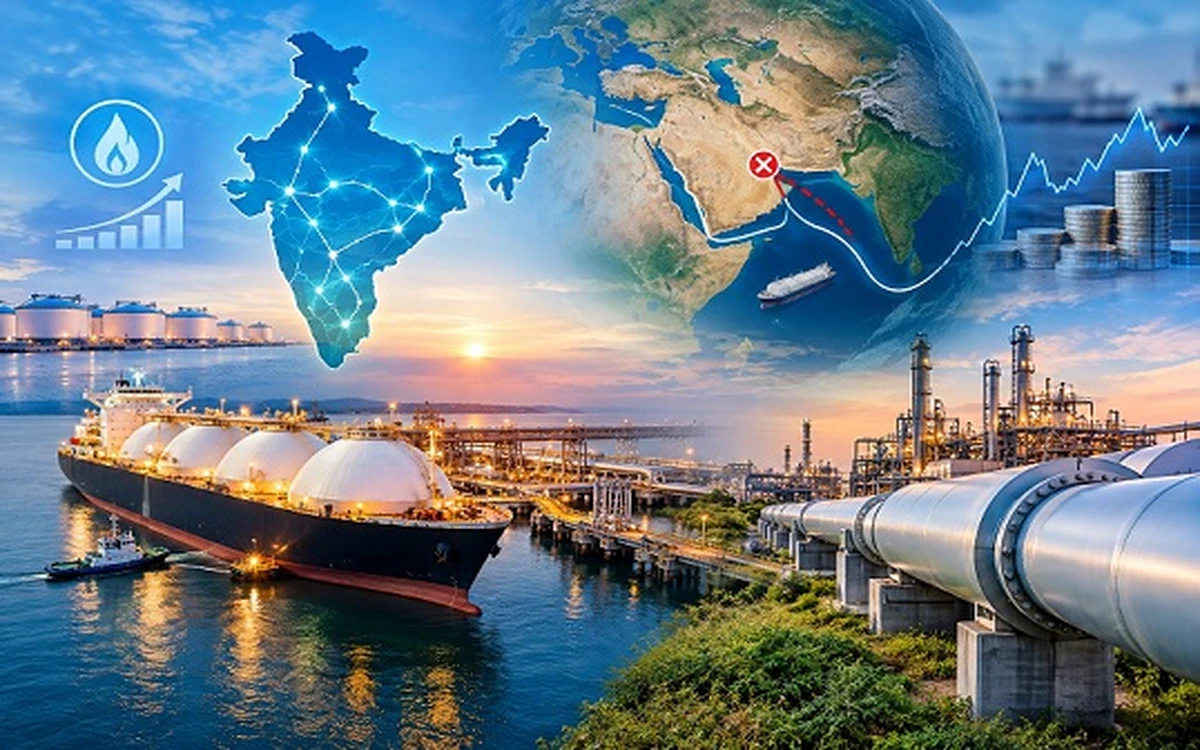
FY 2025–26 underscored a fundamental reality: energy security has become as important as energy transition. Geopolitical tensions in the Middle East, particularly the disruption of LNG supply chains through the Strait of Hormuz, exposed the vulnerability of global energy markets to concentrated supply sources and critical maritime routes. The resulting volatility in LNG prices, freight rates and supply availability reinforced the need for diversified sourcing, resilient infrastructure and flexible supply chains. At the same time, the global transition towards cleaner energy continued unabated, with sustained investments in renewable energy, nuclear power, energy storage and low-carbon technologies. Natural gas, by virtue of its flexibility and lower carbon intensity, continued to play a critical role in enabling an orderly energy transition.
For India, the year reaffirmed the importance of a balanced and pragmatic energy strategy. While the country accelerated investments in renewable energy and emerging technologies, it also strengthened natural gas infrastructure, expanded policy support for biofuels and city gas distribution (CGD), and introduced measures to enhance supply resilience during the geopolitical disruption. This balanced approach—combining energy security, affordability and sustainability— will remain central to India's long-term energy transition.
Against this backdrop, GAIL remained focused on its primary responsibility of ensuring reliable energy supplies to the nation. The Company worked closely with the Government, suppliers and customers to manage LNG supply constraints, optimise its sourcing portfolio and maintain supplies to priority sectors. The year demonstrated the strategic importance of GAIL's integrated business model, diversified sourcing portfolio, extensive pipeline network and market presence, enabling the Company to respond with agility under challenging conditions.
Responding with Resilience
The events of FY 2025–26 reinforced the strategic importance of GAIL's integrated business model. As India's largest natural gas company, our responsibility extends beyond commercial performance to ensuring continuity of energy supplies for the nation. During the disruption in global LNG markets, the Company responded with agility by optimising its sourcing portfolio, leveraging contractual flexibility, and working in close coordination with the Government, suppliers and customers to manage supply constraints. Our integrated presence across LNG sourcing, shipping, transmission, marketing and downstream businesses enabled us to respond swiftly to changing market conditions while maintaining supply reliability for priority sectors.
The crisis also highlighted the strategic value of infrastructure. GAIL's extensive pipeline network, LNG infrastructure and nationwide marketing presence enabled the Company to respond effectively to evolving demand patterns and support the Government's supply management initiatives. As India moves towards a more gas-based economy, resilient infrastructure, diversified supply sources and market flexibility will remain the three pillars of long-term energy security. We believe GAIL is uniquely positioned to contribute to each of these priorities.
Strengthening Our Leadership Across the Energy Value Chain
Natural gas remains at the core of GAIL's business strategy and continues to play a critical role in India's transition towards a cleaner and more secure energy system. During the year, we continued to strengthen our integrated natural gas value chain through sustained investments in transmission infrastructure, marketing, LNG, CGD and trading.
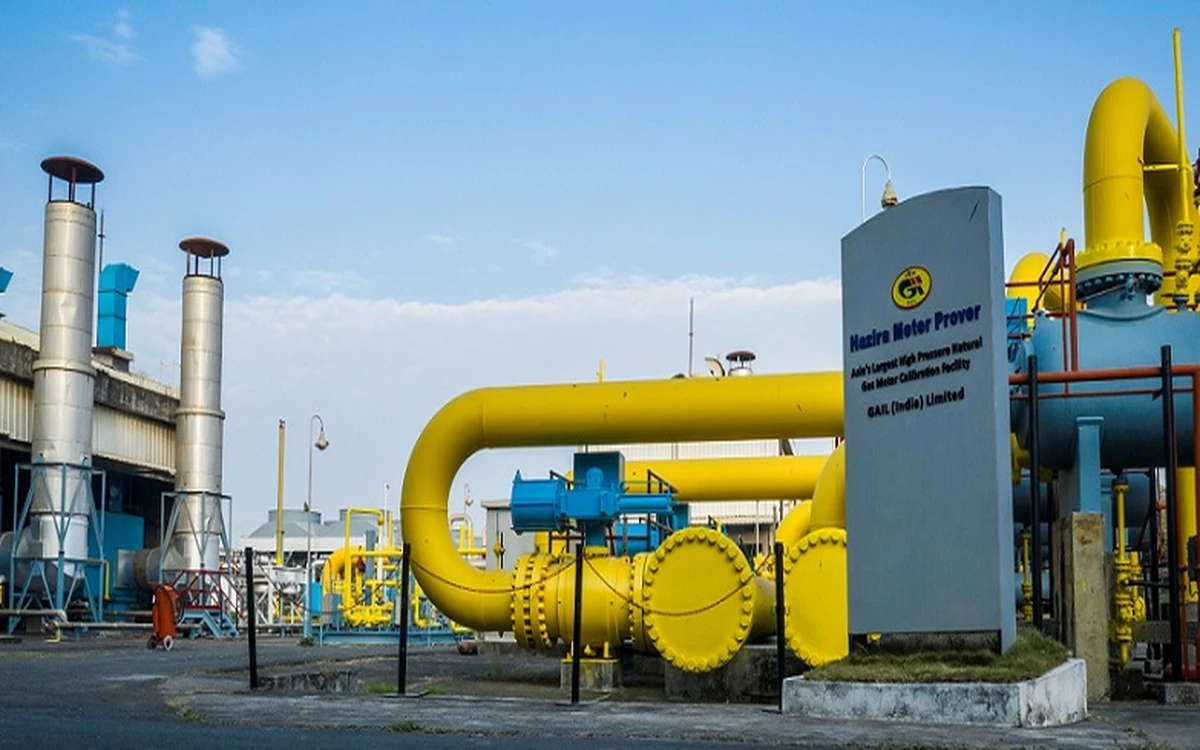
GAIL has expanded its NG pipeline network to ~ 18,700 km by commissioning ~2000 km of pipelines across the country during the financial year. Major pipelines commissioned in this FY include major parts of Mumbai-Nagpur-Jharsuguda Pipeline (MNJPL) spanning across four states (Maharashtra, Chhattisgarh, Odisha & Madhya Pradesh), Srikakulam-Angul Pipeline project across two states (Odisha & Andhra Pradesh), and three Last Mile Connectivities & 37 CGD hook-ups in various parts of the country, including connectivity to IOCL’s refineries at Guwahati and Bongaigaon.
Over the year, gas transmission remained robust at around 122 MMSCMD, while gas marketing stood at around 104 MMSCMD despite an exceptionally challenging global LNG environment. During the year, more than 950 km of new pipeline sections were dedicated to the Nation. We also continued to deepen market reforms through our Open Access Portal and gas trading initiatives, strengthening transparency and market access across the gas ecosystem.
The events of FY 2025–26 reaffirmed the importance of a diversified and resilient LNG portfolio. GAIL successfully managed supply disruptions through its diversified LNG portfolio, with volume sourced from multiple geographies via secure maritime routes. Further, by taking advantage of shipping flexibility, timely optimizations, and prudent risk management, GAIL ensured reliable supplies to customers despite a volatile global environment.
GAIL commissioned the breakwater facility at our KLL Dabhol LNG terminal, thereby enabling year-round operations. GAIL also achieved the milestone of receiving the 1000th LNG cargo at the terminal. These achievements signal GAIL’s close integration with LNG import infrastructure.
Expanding Value Addition through Petrochemicals and Downstream Businesses
India's petrochemical demand growth continues to outpace global averages supported by rising incomes, while the country’s per capita petrochemical consumption is still well below the same. This juxtaposition provides for petrochemical manufacturing and import substitution opportunities. GAIL is positioning itself to capture this opportunity through capacity expansion, feedstock diversification and integration across the petrochemical value chain.
During the year, GAIL commissioned the 60 KTA Polypropylene unit at Pata, increasing the capacity of the complex to 870 KTPA, while making steady progress on the PDH-PP project at Usar and the development of GAIL Mangalore Petrochemicals Limited. Further strengthening its petrochemical value chain, GAIL successfully sourced its first Paraxylene cargo in January 2026 for supply as feedstock to GMPL. These investments are transforming GAIL into a more diversified petrochemical company with greater feedstock flexibility and enhanced value addition across the hydrocarbon chain.
Building New Engines of Growth
GAIL’s cross-country trunk pipeline network, coupled with its robust gas marketing portfolio has enabled the pan-India growth of the retail CGD sector. GAIL Group companies today have presence across 72 Geographical Areas, connecting to over one crore PNG consumers through more than 3,400 CNG stations, making us the largest CGD ecosystem in the country through our subsidiaries and joint ventures.
We are also scaling our presence in Compressed Biogas, where GAIL has emerged as the nodal agency under the CBG-CGD Synchronisation Scheme. During FY 2025-26, we achieved our highest-ever CBG sales, significantly exceeded our annual targets and expanded partnerships with producers across the country. Alongside our own CBG plants, strategic investments and collaborations are laying the foundation for a nationwide bioenergy ecosystem.
Investing in Future-Ready Businesses and Capabilities
While strengthening our core businesses, we continued to build new growth engines that will support GAIL's long-term transformation into a diversified energy company. Recognising the strategic importance of energy security and resource integration, we are expanding our presence across the energy value chain.
During the year, the Company accorded approval for investments in two world-scale gas-based fertiliser plants along the Mumbai– Nagpur–Jharsuguda Pipeline corridor, creating anchor demand for our transmission network while contributing to India's food security.
Additionally, GAIL is exploring the Critical Mineral value chain – a sector with a growing strategic focus at a national level. GAIL has signed MoUs with Khanij Bidesh India Limited (KABIL), and Hindustan Copper Limited (HCL) to strengthen collaboration in this area.
These initiatives reflect our commitment to building a diversified and resilient clean energy portfolio aligned with India's energy transition aspirations.
Innovation and technology remain central to GAIL's strategy for building a resilient and future-ready energy enterprise. Through a strong focus on research, development and collaborative innovation, we are developing indigenous technologies that enhance energy efficiency, strengthen energy security, reduce environmental impact and support India's clean energy transition. GAIL R&D is currently pursuing more than 30 collaborative research projects with premier institutions, while our growing intellectual property portfolio comprises 52 patents filed, of which 40 have been granted, along with six registered copyrights.
Innovation extends beyond our own laboratories to the broader startup ecosystem. Through our Start-Up Initiative, Pankh, GAIL continues to nurture technology-led enterprises that can create solutions for the future energy ecosystem. During the year, GAIL witnessed an overwhelming response under the 10th Round of Startup Investment Solicitation, receiving 241 proposals, with the evaluation process progressing in a phased manner. In parallel, GAIL has become a founding partner of the MC2 Foundation, established by the Oil & Gas PSUs under the aegis of the MoP&NG. The Foundation will serve as a common innovation platform to incubate and accelerate startups in the energy sector, reinforcing our commitment to indigenous technology development and entrepreneurial innovation.
GAIL remains firmly aligned with India's vision of increasing the share of natural gas in the primary energy mix. We will continue to expand the gas infrastructure, strengthen CGD, diversify LNG sourcing, enhance shipping capabilities, expand downstream petrochemical business and pursue selective upstream integration, while building ever more resilient supply chains to ensure uninterrupted, reliable and competitive energy supplies. The lessons from the recent geopolitical disruptions have further reinforced the importance of supply diversification, portfolio optimisation and infrastructure resilience as strategic priorities for the future.
6 days ago
Total Views : 24
6 days ago
Total Views : 15
6 days ago
Total Views : 13
3 weeks ago
Total Views : 28